Four Winds Restoration | Water Damage Restoration


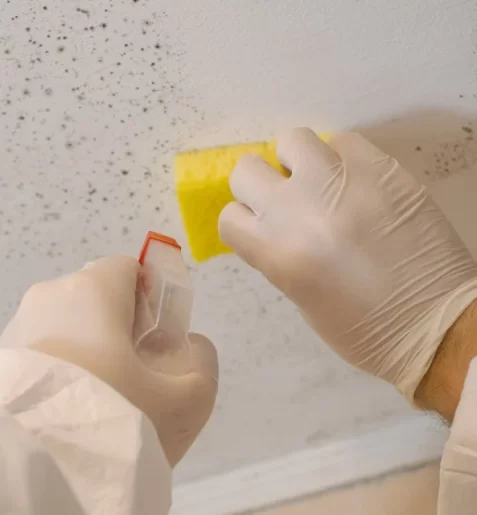
Visible mold patches require proper identification and removal.
Persistent earthy smells suggest hidden mold growth.
Localized coughing or breathing issues indicate air contamination.
Leaks or humidity create ideal mould growth conditions.

Surface stains may indicate hidden mold growth.
Surface changes may indicate moisture and mold risk.
Humidity above 60% promotes mold growth consistently.
(604) 305-2430

Our certified technicians conduct thorough inspections using moisture meters, thermal imaging, and air quality testing to identify all affected areas and mould species.

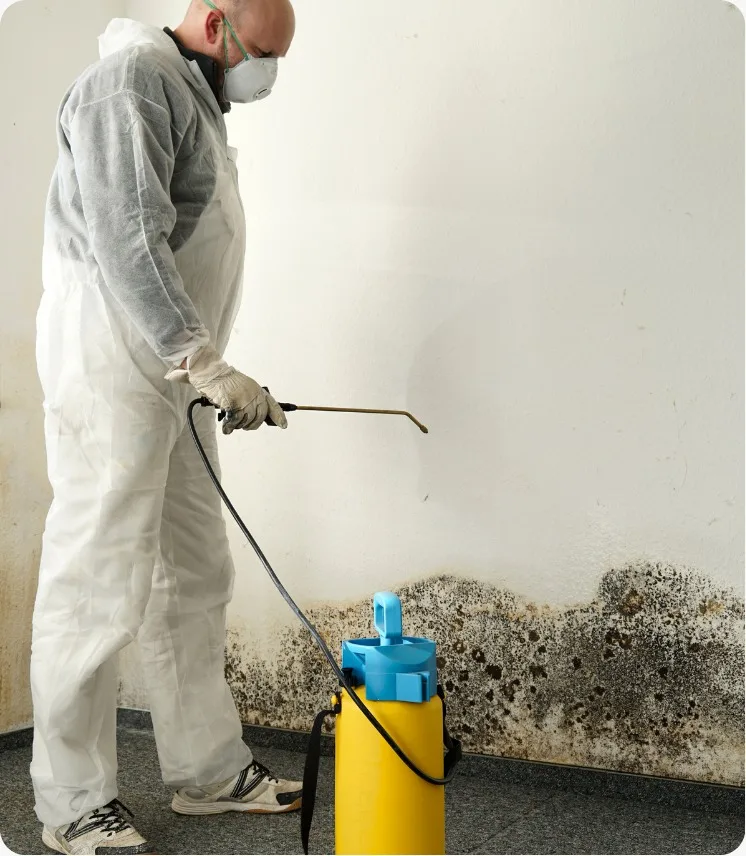
We establish negative air pressure environments with specialized barriers to prevent cross-contamination during the remediation process.

Different mould types and affected materials require specific removal approaches—our technicians select the appropriate method for each situation.

Industrial-grade air scrubbers with HEPA filtration capture 99.97% of airborne mould spores during and after the remediation process.

We identify and address underlying moisture sources and apply antimicrobial treatments to prevent future mould growth.
Infrared cameras and professional-grade moisture meters identify hidden water sources and damp building materials that support mould growth.
We identify specific mould species through laboratory testing to determine appropriate remediation protocols and health risk assessments.
These specialized HEPA filtration units create negative pressure environments that prevent cross-contamination during remediation activities.
Industrial dehumidifiers reduce ambient moisture to levels that inhibit mould growth while specialized drying equipment addresses affected materials.
Technicians trained in microbial science and remediation protocols
Prevents cross-contamination of unaffected areas during removal
Locates and addresses underlying moisture problems causing mould growth
Post-remediation testing confirms successful mould elimination
Protects occupants from potential health effects during and after remediation
Looking for “emergency restoration near me” in Greater Vancouver? Our local teams are ready to respond in:
High-moisture bathrooms often develop mould. Our specialists clean porous surfaces, fix ventilation, remove damaged caulking, treat hidden areas, and apply moisture-resistant coatings to prevent mould from returning.
Below-grade areas often trap moisture. We remove damaged materials, fix seepage, install vapor barriers, dehumidify, treat structures, repair insulation, and improve drainage to stop future mould growth.
Poor ventilation and roof leaks cause attic mould. Our specialists repair ventilation, fix leaks, replace contaminated insulation, treat structural wood, and improve air sealing to prevent condensation and future mould growth.

 Shiv Vashisht
Trustindex verifies that the original source of the review is Google.
After a major water leak damaged our office building, I wasn’t sure what to do next. Four Winds Restoration showed up fast, took control of the situation, and handled everything from cleanup to full renovation. They were professional, efficient, and kept me in the loop the whole time. The office looks even better now than before the damage. Highly recommend them. Navtej KaurI really appreciate your cleaning method.
 Scott SpracklinWe received excellent service from Shawn. He arrived in a timely manner, was professional, knowledgable, and efficient. He knew exactly what to do to resolve our water damage issue. He was also honest with his quote and tried his best to resolve things without unnecessary work. Thank you again Shawn.
 andrew lambertCalled and was quickly able to speak with someone and schedule a small job after we experienced a small flood. Scheduling was easy, job was done fast and I have no complaints.
 Shane LanowayI would highly recommend this company! Shawn was awesome in answering my call after hours for a leak in my place and was very efficient in finding a solution for my problem. He was very professional and got the job done in a very efficient manner. He was courteous, respectful and very timely. Great communication in the road to fixing the problem. Thanks again and will keep you in mind for future problems.
 Bamdad BahraniWe have a great experience with Four Winds Restoration and specifically with Shawn. We had a huge water leak from upstairs toilets, to a point that the walls in the bathroom downstairs were completely wet. You could press a finger on the wall and leave the print! Shawn came the same day we called him, and installed a few fans and dehumidifier. He came in to check in a few days, and he added a couple more fans a few extra fays, with no extra charge. After a week, our walls and ceilings are completely dry now and we're waiting to get the walls sand and painted. Overall, very happy with my experience with Shaw. He was responsive, on time, and professional.
 Andrew LumAbsolutely top tier service from these guys. Had a leak from my next door neighbour, who tried to change his bath spout on his own and as result the insulated wall separating our units + 4 other walls were wet and probably had been for over a week before I noticed. Our strata's restoration company quoted over 5K just dry the walls and said the joint wall would 100% have to be demo'd and replaced. Called 4winds and Shawn was very reassuring on the phone that mold wasn't 100% certain and they could be onsite the same day to fix the issue at a fraction of the price. After 4 days of getting a bunch of fans and a dehumidifier going we dried every wall including the insulated one and now the only thing I need to replace are two pieces of baseboards. Cannot thank these guys enough and Shawn was super friendly, honest, and quick to respond to questions and concerns. Would give a 6th star if possible!
 Terence SchultesPrompt, efficient and friendly service. They solved a mystery leak in our furnace room with great skill. Highly recommended.
 Mirjam MaiExcellent service, quick response, and great repair work. I had a water leak from an old laundry machine at my place. Shawn came right away to inspect the damage and to dry everything. Luckily, only a small area of the floor needed to be replaced (included removing and reinstalling the hot water tank) and the stain in the ceiling below was painted. The team finished everything in one day and it looks great. They also installed an additional power outlet for the new dryer.