Four Winds Restoration | Water Damage Restoration


Black or gray residue damaging surfaces until neutralized.
Yellow-brown stains on surfaces indicate smoke damage.
Lingering odors worsen as porous materials off-gas.
Heat-damaged structural materials need professional assessment.

Acidic soot causes accelerated rusting on metals.
Heat-damaged wiring creates potential safety hazards.
Fire can compromise hidden load-bearing structural elements.
(604) 305-2430

Our certified technicians conduct detailed inspections using thermal imaging and chemical testing to identify all affected areas, even those hidden from view.

Different fire types create different soot residues - our technicians identify each type and apply the appropriate cleaning methods to prevent permanent damage.

Our multi-phase cleaning process addresses both visible and microscopic fire residues using specialized agents that break down smoke molecules without damaging surfaces.

Rather than masking odors, we eliminate them at the molecular level using thermal fogging, ozone treatment, and hydroxyl technology that penetrates all affected materials.

From minor repairs to complete rebuilds, our construction specialists restore your property using improved materials and techniques that enhance fire resistance.
Specialized dry-cleaning compounds that lift soot particles from surfaces without smearing or embedding them deeper into materials.
High-frequency sound waves create microscopic bubbles in cleaning solution that implode against item surfaces, removing smoke residue from intricate objects without damaging them.
Advanced oxidation technology that breaks down smoke molecules at the chemical level while being safe to use around people, pets, and sensitive materials.
Petroleum-based deodorizers heated to create microscopic particles that penetrate materials exactly as smoke did, neutralizing odors in otherwise inaccessible areas.
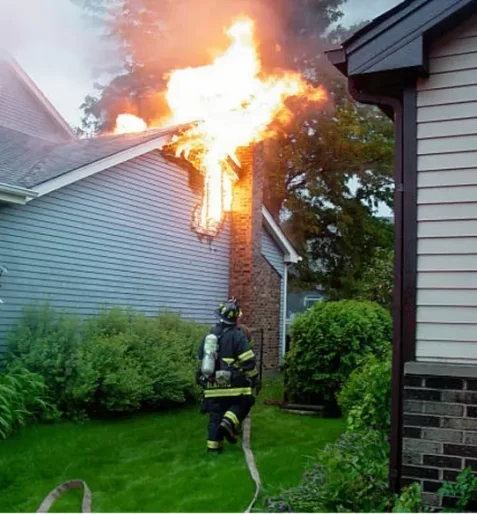
Technicians trained in the science of combustion and smoke behavior
Different cleaning approaches based on specific fire type and affected materials
Specialized cleaning processes for electronics, documents, artwork and heirlooms
Immediate neutralization of acidic residues to prevent ongoing damage
Detailed evidence collection and reporting that maximizes your coverage
Looking for “emergency restoration near me” in Greater Vancouver? Our local teams are ready to respond in:
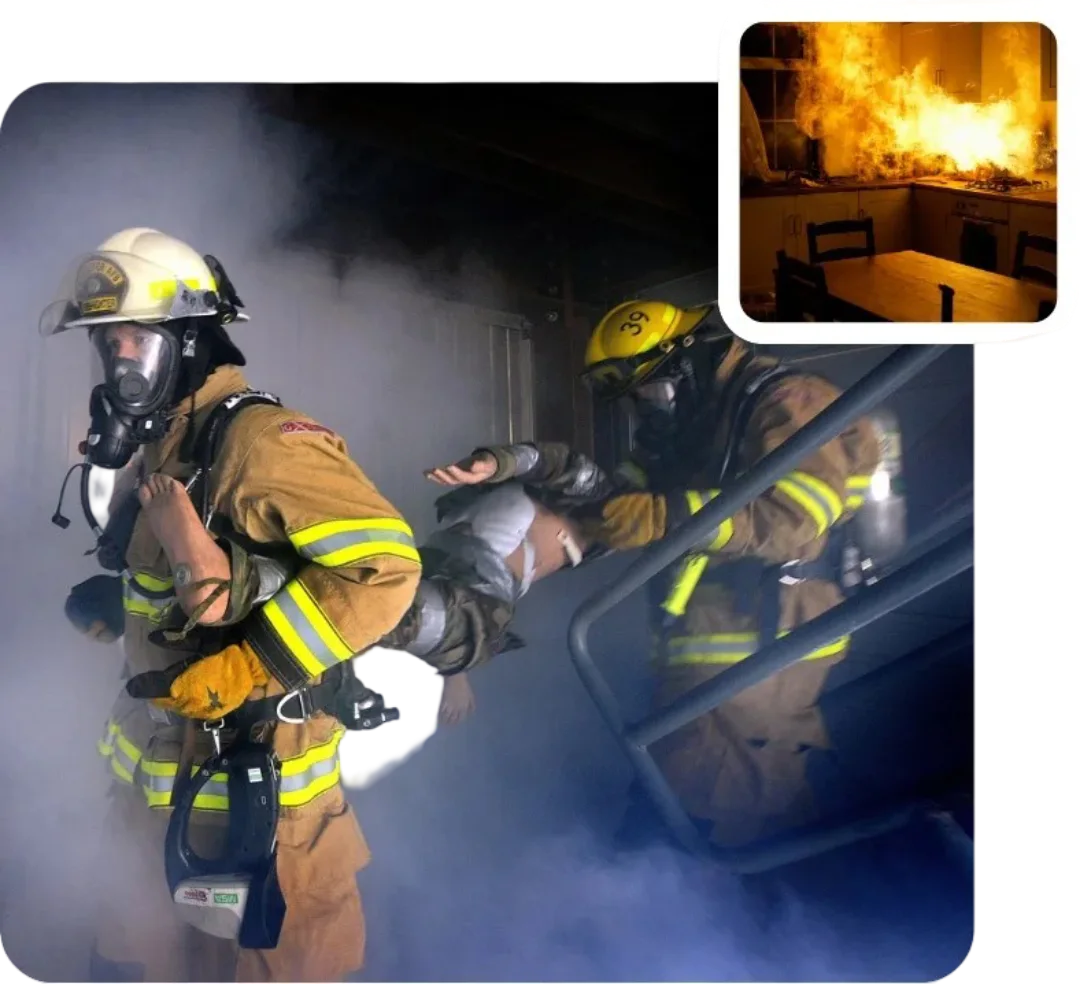
Kitchen fires leave invisible protein residues causing odors and etching. Our specialists use enzyme cleaners and degreasers to remove residues from surfaces, appliances, and ventilation effectively.
Electrical fires produce dense, acrid smoke. We filter microscopic particles, clean electronics with non-conductive solutions, and coordinate with licensed electricians to repair wiring before safe reactivation.
Heating system malfunctions can spread petroleum soot. Our specialists clean HVAC systems, remove soot from all surfaces, and apply treatments to neutralize oily residues, preventing further damage.

 Shiv Vashisht
Trustindex verifies that the original source of the review is Google.
After a major water leak damaged our office building, I wasn’t sure what to do next. Four Winds Restoration showed up fast, took control of the situation, and handled everything from cleanup to full renovation. They were professional, efficient, and kept me in the loop the whole time. The office looks even better now than before the damage. Highly recommend them. Navtej KaurI really appreciate your cleaning method.
 Scott SpracklinWe received excellent service from Shawn. He arrived in a timely manner, was professional, knowledgable, and efficient. He knew exactly what to do to resolve our water damage issue. He was also honest with his quote and tried his best to resolve things without unnecessary work. Thank you again Shawn.
 andrew lambertCalled and was quickly able to speak with someone and schedule a small job after we experienced a small flood. Scheduling was easy, job was done fast and I have no complaints.
 Shane LanowayI would highly recommend this company! Shawn was awesome in answering my call after hours for a leak in my place and was very efficient in finding a solution for my problem. He was very professional and got the job done in a very efficient manner. He was courteous, respectful and very timely. Great communication in the road to fixing the problem. Thanks again and will keep you in mind for future problems.
 Bamdad BahraniWe have a great experience with Four Winds Restoration and specifically with Shawn. We had a huge water leak from upstairs toilets, to a point that the walls in the bathroom downstairs were completely wet. You could press a finger on the wall and leave the print! Shawn came the same day we called him, and installed a few fans and dehumidifier. He came in to check in a few days, and he added a couple more fans a few extra fays, with no extra charge. After a week, our walls and ceilings are completely dry now and we're waiting to get the walls sand and painted. Overall, very happy with my experience with Shaw. He was responsive, on time, and professional.
 Andrew LumAbsolutely top tier service from these guys. Had a leak from my next door neighbour, who tried to change his bath spout on his own and as result the insulated wall separating our units + 4 other walls were wet and probably had been for over a week before I noticed. Our strata's restoration company quoted over 5K just dry the walls and said the joint wall would 100% have to be demo'd and replaced. Called 4winds and Shawn was very reassuring on the phone that mold wasn't 100% certain and they could be onsite the same day to fix the issue at a fraction of the price. After 4 days of getting a bunch of fans and a dehumidifier going we dried every wall including the insulated one and now the only thing I need to replace are two pieces of baseboards. Cannot thank these guys enough and Shawn was super friendly, honest, and quick to respond to questions and concerns. Would give a 6th star if possible!
 Terence SchultesPrompt, efficient and friendly service. They solved a mystery leak in our furnace room with great skill. Highly recommended.
 Mirjam MaiExcellent service, quick response, and great repair work. I had a water leak from an old laundry machine at my place. Shawn came right away to inspect the damage and to dry everything. Luckily, only a small area of the floor needed to be replaced (included removing and reinstalling the hot water tank) and the stain in the ceiling below was painted. The team finished everything in one day and it looks great. They also installed an additional power outlet for the new dryer.