
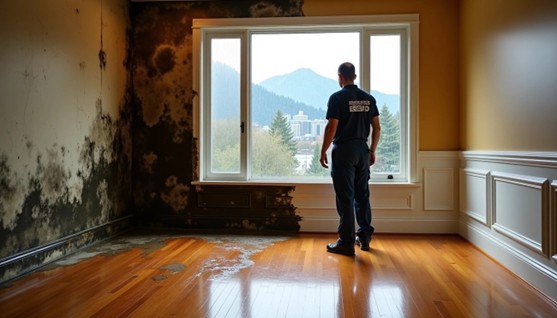
Greater Vancouver homeowners understand the reality of living in one of Canada’s wettest regions. Heavy rainfall, aging infrastructure, and seasonal flooding create ongoing challenges for property owners across the Lower Mainland. It’s time to assess your property’s vulnerabilities and implement pragmatic solutions that protect your investment.
Understanding Your Property’s Flood Risk Profile
The first step in protecting your home involves conducting a comprehensive assessment of your current flood risk factors. Start by evaluating these critical areas:
Foundation and Basement Infrastructure – Examine your foundation walls for cracks, moisture penetration, or previous water staining. These indicators reveal where water has already found pathways into your home. Basement flooding remains one of the most common and costly issues facing Vancouver-area homeowners, with damage often exceeding $50,000 when structural elements are compromised.
Drainage Systems and Grading – Walk your property’s perimeter during heavy rainfall. Water should flow away from your foundation, not toward it. Inadequate grading creates pooling near your home’s base, increasing hydrostatic pressure against foundation walls. This pressure eventually finds weak points, resulting in seepage and potential structural damage.
Plumbing and Sewer Systems – Older homes throughout Vancouver, Burnaby, and Surrey often feature outdated plumbing systems that can’t handle modern water demands. Assess your main water line, supply pipes, and sewer connections. A single pipe failure can release hundreds of gallons of water into your home within hours.
Identify High-Value Prevention Initiatives
Once you’ve assessed your current vulnerabilities, prioritize prevention measures based on risk level and potential impact. These need-to-know upgrades deliver measurable protection:
Sump Pump Systems with Battery Backup – A properly installed sump pump system actively removes water from your basement before it causes damage. Battery backup ensures continued operation during power outages, which frequently accompany severe storms. This single upgrade prevents the majority of basement flooding incidents in our service areas.
Backwater Valve Installation – Municipal sewer systems occasionally become overwhelmed during heavy rainfall, causing sewage to back up into homes through drain connections. A backwater valve prevents this reverse flow, protecting your property from contaminated water damage. Many municipalities now require these valves in new construction, recognizing their proven effectiveness.
Foundation Waterproofing and Crack Repair – Address foundation vulnerabilities before they escalate into major restoration projects. Professional waterproofing creates a barrier against moisture penetration, while prompt crack repair prevents minor issues from becoming structural concerns. These investments typically cost a fraction of the water damage restoration expenses they prevent.
Strategic Landscaping and Drainage Improvements – Optimize water flow around your property through deliberate grading adjustments and drainage solutions. French drains, extended downspouts, and properly positioned catch basins direct water away from vulnerable areas. These improvements work continuously, reducing risk during every rainfall.
Design Your Future-Proofed Property Structure
Protection requires more than addressing current vulnerabilities. Design a comprehensive approach that anticipates future challenges:
Smart Water Detection Technology – Modern leak detection systems alert you to water presence before significant damage occurs. Install sensors near water heaters, under sinks, near washing machines, and in basement areas. Early detection transforms potential disasters into manageable repairs.
Regular Maintenance Protocols – Establish scheduled inspections of your prevention systems. Test sump pumps quarterly, clean gutters twice annually, and inspect visible plumbing connections monthly. Systematic maintenance identifies problems when they’re still minor and inexpensive to address.
Emergency Response Planning – Know exactly what actions to take when water intrusion occurs. Identify your main water shutoff location, keep emergency contacts readily available, and understand your insurance coverage specifics. Preparation reduces response time, and faster response directly correlates with reduced damage severity.
The Real Cost of Inaction
Water damage restoration projects across Greater Vancouver consistently demonstrate that prevention investments deliver substantial returns. Consider these realities:
A $3,000 investment in comprehensive basement waterproofing prevents $30,000 in flood damage restoration costs. A $500 backwater valve installation eliminates the risk of sewage backup incidents that often exceed $20,000 in remediation expenses. These aren’t hypothetical scenarios – they’re outcomes we witness regularly throughout our service areas.
Mold growth begins within 24-48 hours of water exposure. Once established, mold remediation requires specialized equipment, containment protocols, and extensive material removal. What started as a minor leak becomes a health hazard and major restoration project.
Take Action on Your Flood Risk Assessment
Equip yourself with the need-to-know information about your property’s specific vulnerabilities. Start your assessment today:
- Document current conditions with photographs of your foundation, basement, and drainage systems
- Review your property’s flood history and neighborhood drainage patterns
- Prioritize prevention measures based on your assessment findings
- Implement high-value upgrades that address your greatest risk factors
- Establish ongoing maintenance schedules to protect your investments
Greater Vancouver’s climate creates persistent water damage risks, but systematic prevention measures provide reliable protection. Assess your current situation, identify strategic improvements, and design a future-proofed structure that safeguards your property investment.
Professional water damage restoration services help thousands of homeowners recover from flooding incidents each year. The most successful outcomes, however, belong to property owners who never need emergency restoration because they’ve implemented proven prevention strategies.
Your home represents your largest financial investment. Protect it with the same strategic thinking you apply to other critical business decisions. Start with assessment, move to targeted improvements, and maintain your defenses over time. This pragmatic approach delivers measurable results and lasting peace of mind.